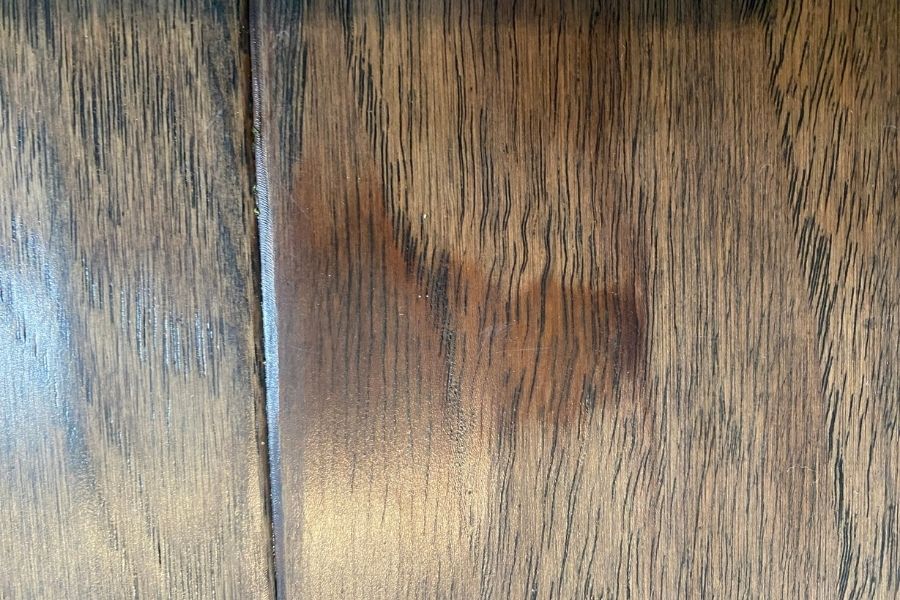
When water damage strikes your home, one of the first questions homeowners ask is whether their flooring can be saved. The answer might surprise you. Yes, in many cases, water damage restoration professionals can salvage laminate and other flooring types, but it depends on several critical factors. At Orange County Restoration Services, we’ve seen countless homeowners assume their floors are ruined when they’re actually recoverable. We’ve also seen cases where waiting too long turned a salvageable situation into a complete replacement job.
The key factors that determine whether your flooring survives include the type of backing material, how quickly you respond, and whether the water was clean or contaminated. Let’s break down what you need to know so you can make informed decisions about your floors.
Can Water-Damaged Flooring Actually Be Saved?
Many homeowners contact us worried about flooring replacement costs. Some aren’t going through insurance and want to keep expenses down. Others simply love their floors and don’t want to change them. The good news is that saving water-damaged flooring is often possible when you know what you’re dealing with.
Watch how our team approaches laminate flooring after water damage:
The success rate depends on acting fast. Within the first 24 to 48 hours, moisture hasn’t fully penetrated most flooring materials. After that window closes, warping, swelling, and mold growth become increasingly likely. This is why our team offers 24/7 emergency response in Newport Beach and throughout Orange County.
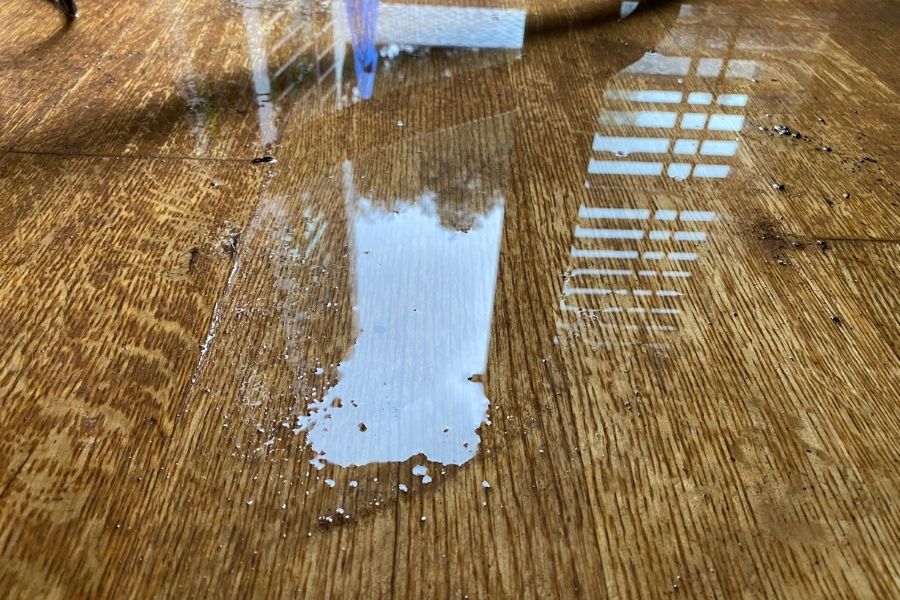
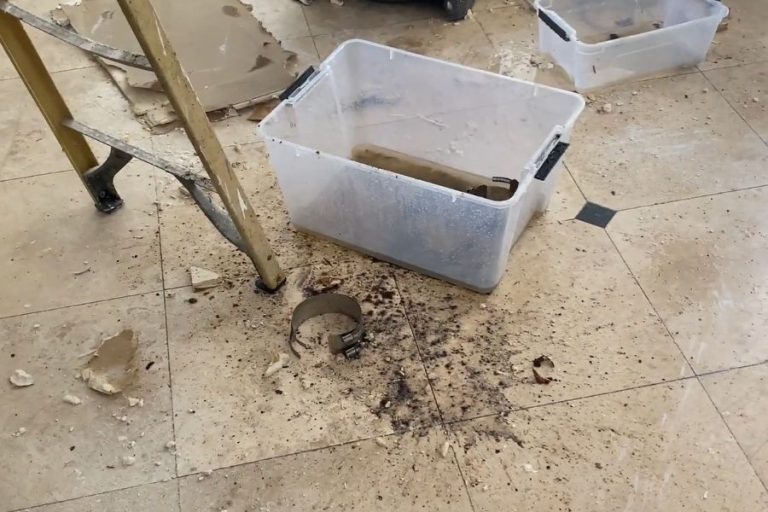
Standing water on flooring needs immediate attention to prevent permanent damage.
How Different Flooring Types Respond to Water
Not all flooring materials react the same way to water exposure. Understanding your specific flooring type helps set realistic expectations for what’s salvageable.
Laminate Flooring
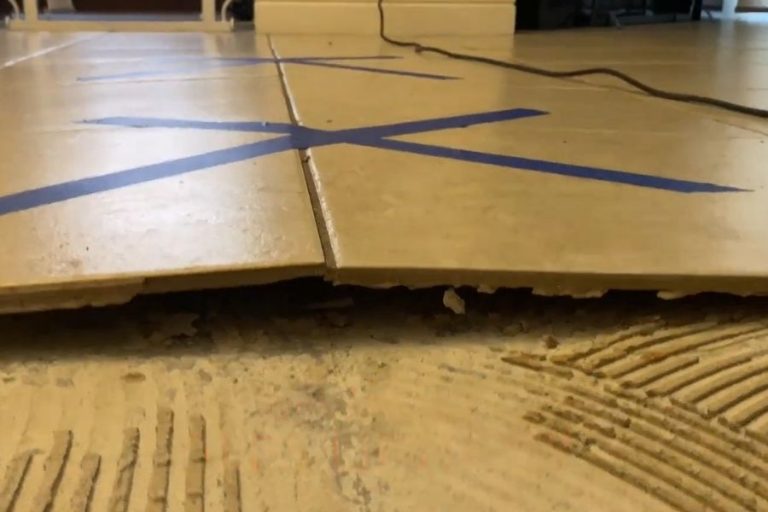
Laminate consists of multiple layers, including a core board and a protective top layer. When water gets underneath laminate, the core can swell and warp. However, if the laminate has a rubber backing rather than cork, and you disconnect the pieces carefully without breaking the clips, much of it can often be saved. The key is removing the flooring methodically, drying the subfloor completely, and reinstalling the undamaged pieces.
Hardwood Flooring
Solid hardwood is surprisingly resilient when dried properly. The wood may cup or crown initially as it absorbs moisture unevenly. With professional drying equipment and controlled humidity, hardwood often returns to its original shape. Engineered hardwood is trickier because of its layered construction, but even this can sometimes be saved.
Vinyl and LVP
Luxury vinyl plank and vinyl flooring are the most water-resistant options. The material itself won’t absorb water, but moisture can get trapped underneath, causing mold growth on the subfloor. The vinyl usually survives, though the subfloor underneath may need treatment.
Carpet
Carpet presents more challenges. The padding absorbs water like a sponge and is almost never salvageable. The carpet itself can sometimes be cleaned and reinstalled over new padding, but only if it’s clean water and you act within 24 to 48 hours. Contaminated water from sewage backups or flooding requires carpet replacement. Learn more about what to expect during the water damage restoration process.
Not Sure If Your Flooring Can Be Saved?
Our IICRC-certified technicians can assess your floors and give you honest answers about what’s salvageable. We respond within 60 minutes throughout Orange County.
Why Backing Material Makes All the Difference
Here’s something many homeowners don’t realize: the backing material on your laminate flooring largely determines whether it survives water damage. This one detail can mean the difference between saving your floors and tearing them out completely.
Rubber Backing
Laminate with rubber backing has a significant advantage. Rubber doesn’t absorb water the way organic materials do. When water gets under rubber-backed laminate, the rubber itself stays intact. You can disconnect the planks, dry everything out, and often reinstall the same flooring. Our technicians see this regularly on jobs where homeowners are relieved to learn their floors aren’t ruined.
Cork Backing
Cork backing is a different story. Cork is organic and absorbent. Once it takes on water, it swells, crumbles, and often develops mold. Even if the laminate surface looks fine, compromised cork backing means the flooring won’t lay flat or lock together properly when reinstalled. In most cases, cork-backed laminate exposed to significant water needs replacement.
How to Check Your Backing
If you’re not sure what backing your laminate has, check any leftover planks from installation, look at the manufacturer’s specifications, or carefully lift a plank from an inconspicuous area like a closet. Knowing this information before an emergency helps you understand your options when water damage occurs.
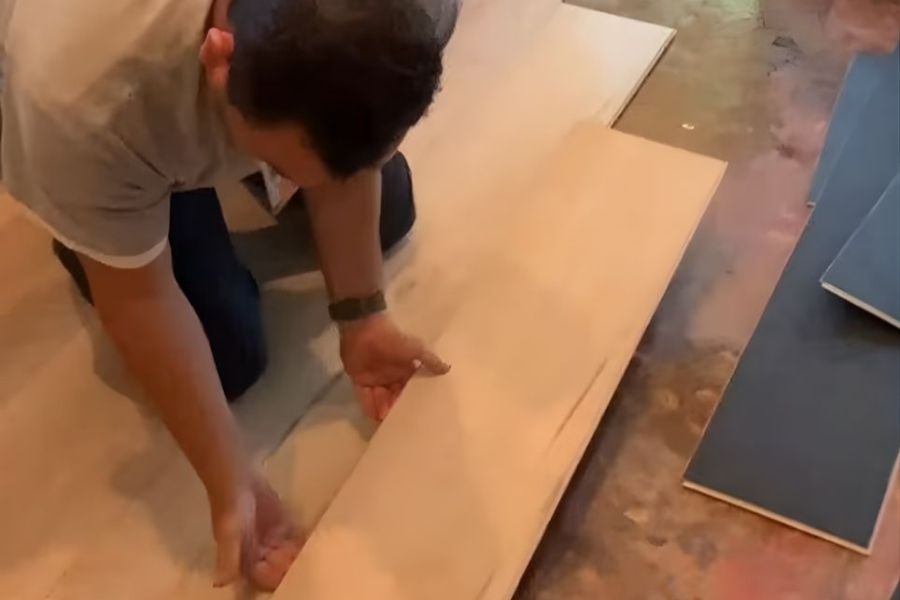
Careful removal of laminate planks preserves the locking clips for potential reinstallation.
The Process of Saving Laminate Flooring
When laminate flooring is salvageable, the process requires precision and patience. Rushing this step damages planks that would otherwise survive. Here’s how professionals approach it.
Step-by-Step Laminate Salvage Process
| Step | Action | Why It Matters |
|---|---|---|
| 1 | Extract standing water immediately | Reduces moisture penetration into flooring materials |
| 2 | Carefully disconnect laminate planks starting from the wall | Protects the locking clips from breaking |
| 3 | Stack planks carefully with spacers for air circulation | Allows even drying without warping |
| 4 | Dry the subfloor completely using professional equipment | Prevents mold growth and future damage |
| 5 | Inspect each plank for damage | Identifies which pieces are salvageable |
| 6 | Reinstall undamaged planks | Restores flooring at a fraction of replacement cost |
The clip disconnect process deserves special attention. Laminate planks lock together with tongue-and-groove clips. Forcing them apart breaks these clips, making reinstallation impossible. A professional with experience knows exactly how much pressure to apply and at what angle to lift. It’s one of those skills that looks simple but takes practice to do without causing damage.
According to the IICRC S500 Standard for water damage restoration, proper drying verification requires moisture readings at multiple points to confirm the subfloor and surrounding materials have returned to acceptable levels before any flooring reinstallation.
When Replacement Is the Only Option
Honesty matters here. Not every floor can be saved, and we tell homeowners when replacement is the smarter choice. Here are the situations where salvaging flooring isn’t worth the effort.
- Contaminated water exposure: Sewage backups, toilet overflows with waste, or floodwater from outside introduce bacteria and pathogens. Even with cleaning, porous flooring materials retain contamination. Health risks outweigh salvage savings.
- Extended water exposure: If water sat on the flooring for several days before discovery, deep penetration and mold colonization are likely. The EPA recommends addressing water damage within 24 to 48 hours to prevent mold growth.
- Severe warping or cupping: Some warping corrects during drying. Severe warping that creates uneven surfaces or gaps between planks typically doesn’t recover.
- Cork-backed laminate: As mentioned earlier, cork backing that absorbed water rarely performs well after reinstallation.
- Damaged subfloor: Sometimes the flooring itself is fine but the subfloor underneath has structural damage. This requires removal, subfloor repair or replacement, and then new flooring installation.
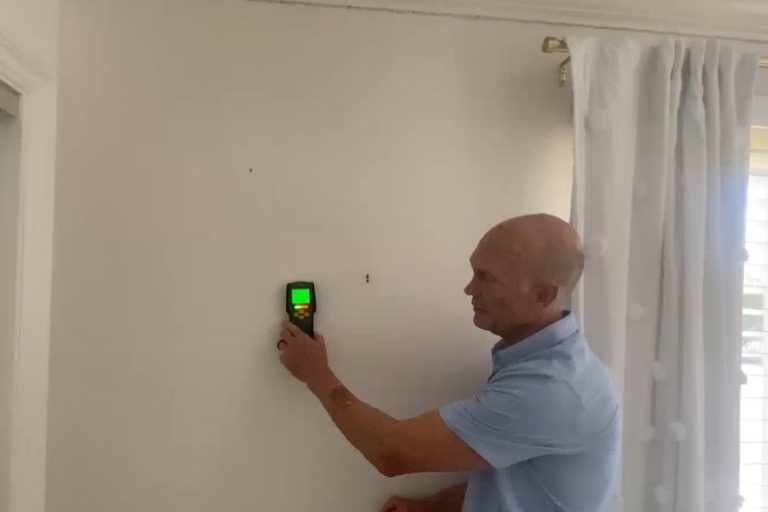
If you’ve experienced a hidden leak in your Newport Beach home, the flooring above may look fine while the subfloor deteriorates underneath. Professional assessment using moisture meters reveals what’s happening below the surface.
Why Professional Assessment Matters
Here’s what we’ve learned from nearly four decades of combined experience in restoration: homeowners often misjudge what’s salvageable. Sometimes they assume everything is ruined and face unnecessary replacement costs. Other times, they underestimate the damage and end up with mold problems weeks later.
Professional assessment provides several advantages:
- Moisture meters detect water in materials that feel dry to the touch
- Infrared cameras reveal moisture patterns behind walls and under flooring
- Experience identifies flooring types and backing materials quickly
- Proper documentation supports insurance claims when applicable
Our IICRC-certified technicians bring this equipment and expertise to every water damage call. We give you an honest assessment of what’s worth saving versus what needs replacement. No sales pitch, just straight answers based on what we see.
Acting Fast Makes the Difference
The sooner you call, the more flooring we can typically save. Orange County Restoration Services responds 24/7 with a 60-minute average arrival time. We’ll assess your floors, explain your options, and help you make the right call for your situation.
Protecting Your Flooring Before Water Damage Happens
Prevention beats restoration every time. A few simple steps reduce your risk of flooring damage from water emergencies.
Know where your water shut-off valve is located. When a pipe bursts or an appliance leaks, shutting off the water quickly limits how much reaches your floors. Install water leak detectors near washing machines, dishwashers, and water heaters. These inexpensive devices alert you to leaks before they become floods.
Inspect supply lines to appliances annually. Those flexible hoses behind your washing machine and dishwasher degrade over time. Replacing them every five years prevents most appliance-related flooding. Check under sinks regularly for slow drips that cause hidden damage over months. Learn about what to do if you suspect a leak in your home.
If you live in a flood-prone area or have experienced previous water issues, consider flooring materials with better water resistance. Luxury vinyl plank, ceramic tile, and sealed concrete all handle water exposure better than traditional laminate or hardwood.
Frequently Asked Questions
How long do I have to save water-damaged laminate flooring?
The ideal window is 24 to 48 hours after water exposure. Within this timeframe, moisture usually hasn’t fully penetrated the core materials, and mold hasn’t started growing. After 48 hours, salvage rates drop significantly. If you discover water damage, call a restoration professional immediately rather than waiting to see what happens.
Can I save my flooring myself or do I need a professional?
For small spills on water-resistant flooring like vinyl, DIY cleanup works fine. For significant water exposure affecting laminate, hardwood, or carpet, professional equipment and expertise make a real difference. Industrial dehumidifiers and air movers dry materials faster than household equipment. Professionals also use moisture meters to verify complete drying, which prevents mold growth that homeowners often miss.
Will my homeowners insurance cover flooring replacement after water damage?
Most homeowners policies cover sudden and accidental water damage, like a burst pipe or appliance failure. Gradual damage from slow leaks or maintenance issues is typically excluded. Flood damage requires separate flood insurance. Understanding what’s covered by your policy before an emergency helps you know what to expect.
How can I tell if my laminate flooring has rubber or cork backing?
Check any leftover planks from your original installation, as the backing is visible on the underside. You can also look up the manufacturer and product name for specifications, or carefully lift a plank from an inconspicuous area like inside a closet. Rubber backing feels smooth and flexible, while cork backing has a grainy, crumbly texture.