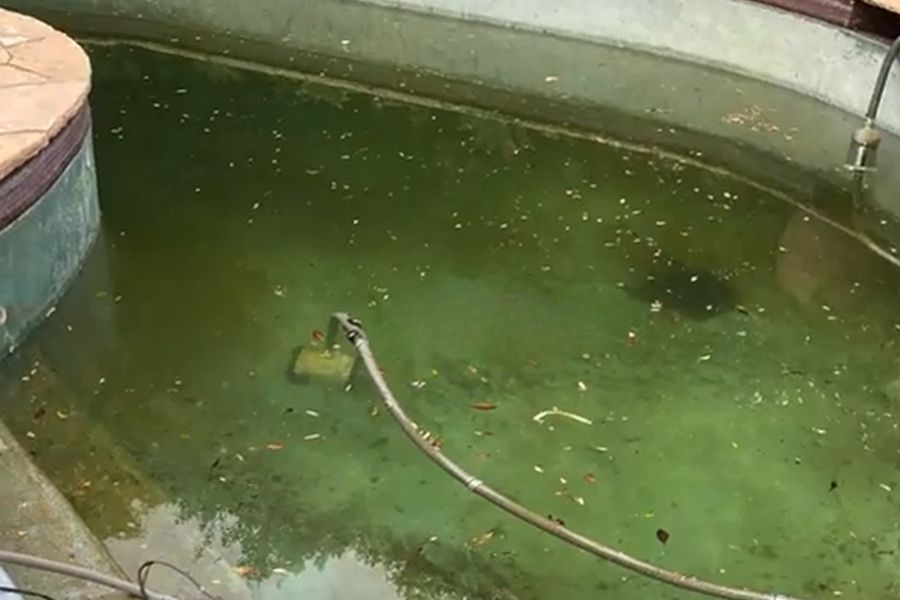
A house fire is one of the most disorienting things a homeowner can go through. Once the flames are out, most people focus on the obvious damage: the charred rooms, the ruined furniture, the smoke-stained walls. But fire damage reaches further than that, and a lot of it gets missed. Insulation, ductwork, crawl spaces, and yes, even your backyard pool can all be part of the picture.
At Orange County Restoration Services, our fire damage restoration services cover the whole property, not just the structure. This post breaks down what fire really affects, walks through a full property checklist, and explains why pool cleanup is a part of recovery most homeowners don’t expect.
What Fire Damage Really Affects Beyond the Obvious
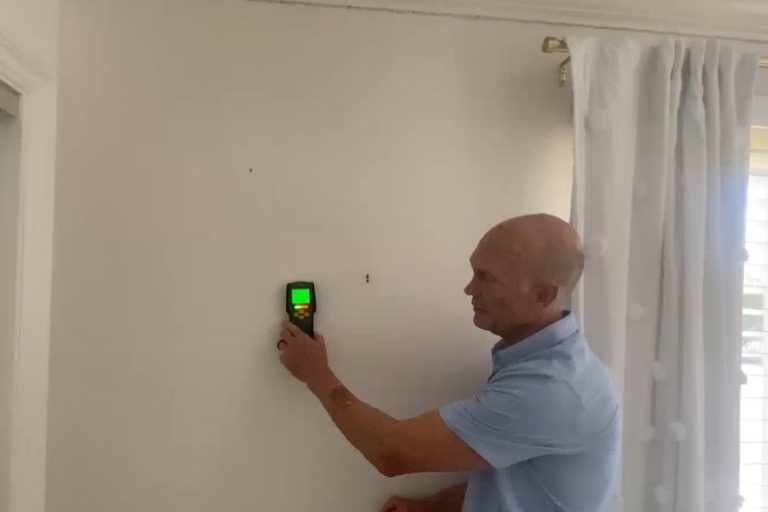
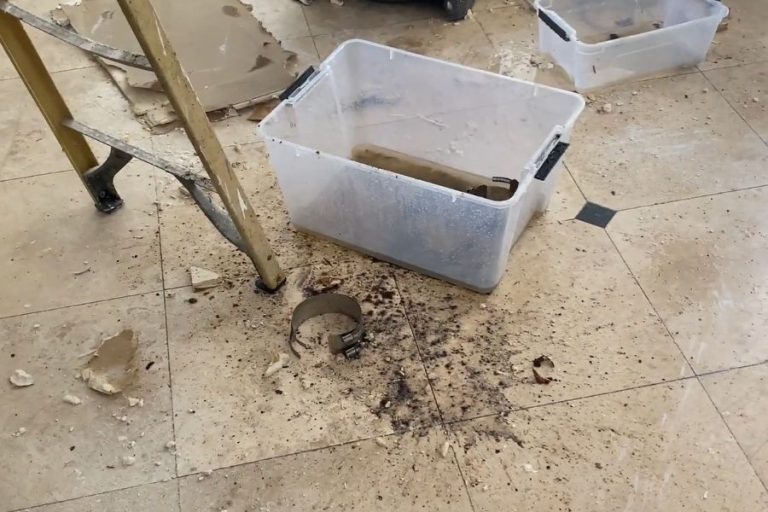
People often think of fire damage as charred walls and burned furniture. That’s only part of it. Smoke travels through HVAC systems and settles into walls and insulation far from the original source. Soot coats surfaces in an oily layer that stains and corrodes. Water from firefighting soaks into flooring and drywall, often setting up secondary mold damage within 24 to 72 hours.
According to the U.S. Environmental Protection Agency, smoke and ash from fires contain a mix of fine particles, heavy metals, and other chemicals that pose real health risks, especially when they contaminate water sources or living spaces. That includes your backyard pool.
Here’s a quick look at the areas most commonly affected in a residential fire:
| Area of Property | Common Damage |
|---|---|
| Walls and ceilings | Smoke staining, soot, structural scorching |
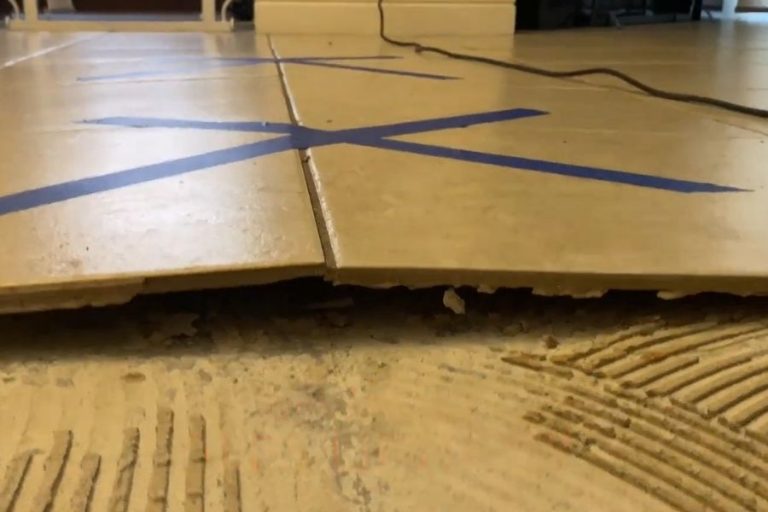
| Flooring | Warping, charring, water saturation from suppression |
| HVAC system | Smoke and soot deposit throughout ductwork |
| Insulation | Absorption of smoke odors and particles |
| Roof | Structural damage, exposed decking, burn-through |
| Contents | Soot residue, smoke odor, heat damage |
| Outdoor pool | Ash, debris, chemical contamination |
Dealing with fire damage and not sure where to start? We’re available 24/7 and can be on-site in about an hour.
Your Pool After a Fire: What Happens and Why It Matters
Most fire damage cleanup guides skip the pool entirely. That’s a mistake. If you have a pool on your property and there’s been a nearby structure fire, it’s almost certainly been affected.
Watch the video below to see how we approach fire-damaged pool cleanup in Orange County:
What Ends Up in Your Pool After a Fire
Ash and charred debris fall into open water during and after a fire. Firefighting foam and chemical suppressants can also end up in the water. On top of that, heat exposure can warp pool equipment, compromise seals, and throw chemical balances completely out of range.
This isn’t just a cosmetic issue. Contaminated pool water can damage the pump, filter, and lining. If left untreated, it creates a health hazard for anyone who comes into contact with the water or the surrounding area.
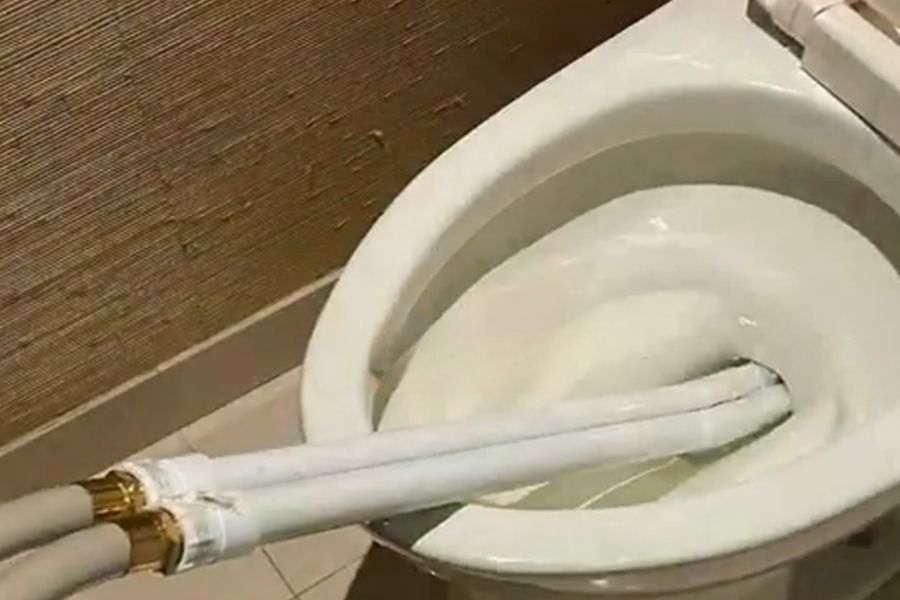
Pumping out the pool is the critical first step before any cleaning or debris removal can happen.
Why You Can’t Just Shock It and Move On
A lot of homeowners assume they can throw in some extra chlorine and the pool will be fine. It won’t be. When ash and soot mix with pool water, the chemistry changes significantly. pH swings, total dissolved solids spike, and contaminants bind to pool surfaces in ways that a standard shock treatment won’t address.
The pool needs to be drained, swept, scrubbed, and refilled. Filters need to be cleaned or replaced. Any equipment exposed to heat or smoke should be inspected before it’s run again.
How to Clean Up a Fire-Damaged Pool
The process is straightforward, but it has to be done in the right order. Skipping steps or rushing creates more work and can cause additional damage to the pool equipment and lining.
Fire-Damaged Pool Cleanup: Step-by-Step
- 1. Turn off all pool equipment immediately. Running a contaminated pump pushes debris through the filter system and can cause mechanical damage.
- 2. Remove large debris by hand or with a net before pumping. Leaves, charred material, and floating debris should come out first.
- 3. Pump out the pool. Fully drain the water so the interior surfaces can be accessed and cleaned properly.
- 4. Sweep and scrub the pool surfaces. Ash and soot bind to pool walls and floors. Scrubbing removes the residue before it can stain or etch the finish.
- 5. Wash down all surfaces. A thorough rinse removes loosened debris and any remaining chemical residue from firefighting agents.
- 6. Inspect and clean pool equipment. Filters, pumps, skimmers, and heaters all need to be checked before refilling.
- 7. Refill and rebalance. Once the pool is clean and equipment is inspected, refill and test water chemistry before running the system again.
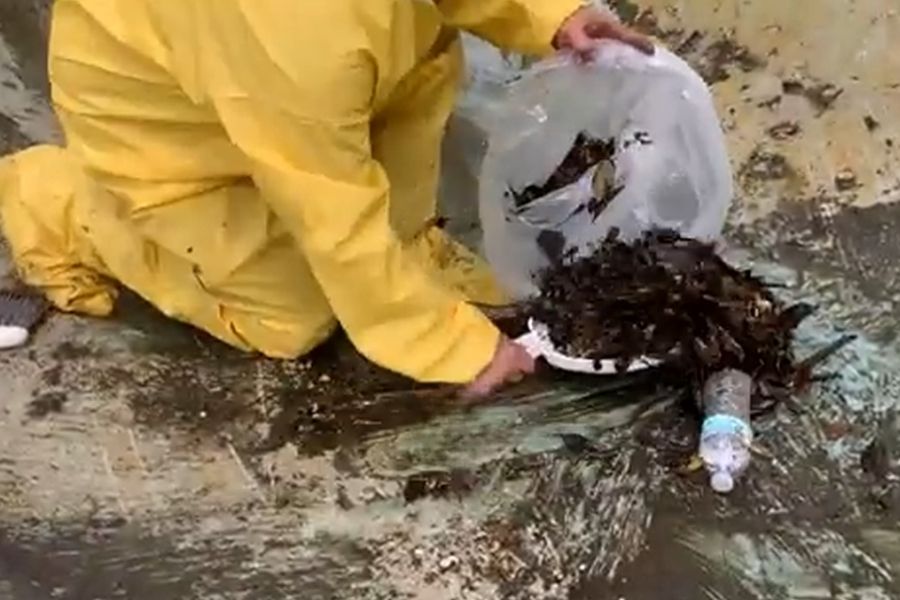
Sweeping and scooping debris from the pool surfaces is a necessary step before the pool can be safely refilled and rebalanced.
Fire Damage Cleanup Checklist for Orange County Homeowners
Pool cleanup is one piece of a much larger recovery process. Here’s a broader checklist of what needs to happen after a residential fire in Orange County. This isn’t meant to replace a professional assessment, but it gives you a clear picture of the scope.
If you’ve ever had to deal with emergency cleanup in Newport Beach or surrounding areas, you know how quickly the to-do list grows. Having a framework helps.
| Task | Why It Matters | DIY or Pro? |
|---|---|---|
| Document all damage with photos and video | Required for insurance claims | DIY |
| Contact your insurance company | Start the claims process immediately | DIY |
| Secure the property (board-up, roof tarp) | Prevents weather exposure and unauthorized entry | Pro |
| Assess structural integrity | Safety before re-entry | Pro |
| Remove standing water from firefighting | Prevents mold within 24-72 hours | Pro |
| Soot and smoke remediation | Air quality and surface restoration | Pro |
| Content and furniture assessment | Salvageable items vs. total loss | Pro |
| HVAC and ductwork inspection | Smoke travels through ventilation | Pro |
| Pool cleanup and equipment inspection | Contamination and mechanical damage | Pro |
| Mold prevention follow-up | Water from firefighting creates mold risk | Pro |
How Orange County Restoration Services Handles It All
Fire recovery is never a single-room project. It touches the whole property, inside and out. That’s why we don’t stop at the front door.
Our IICRC-certified team handles smoke and odor removal, soot remediation, water extraction from firefighting, and property securing. We coordinate the full scope so you’re not managing multiple contractors during an already stressful time.
Orange County homes, especially in coastal areas like Newport Beach, Corona del Mar, and Balboa Island, come with their own challenges. Older construction, proximity to salt air, and the variety of property types all factor into how we approach each job. Our team knows the area well, and that makes a real difference when it comes to materials, timelines, and what’s actually salvageable.
With over 38 years of combined expertise, we’ve been trusted to restore properties after water, fire, and mold damage. Our seasoned team brings decades of experience to every project, ensuring top-quality restoration.
You can read more on related topics in our posts on fire and smoke damage prevention across Orange County and commercial fire damage cleanup.
If you’re dealing with fire damage right now, we’re available 24/7. One call starts the assessment.
Fire damage doesn’t wait, and neither do we. Our team is available 24/7 with an average response time of about 60 minutes across Orange County.
Frequently Asked Questions
Does fire damage cleanup include pool cleanup?
Yes, a thorough fire damage cleanup should include the pool if the property has one. Ash, soot, and chemical residue from firefighting efforts contaminate pool water and can damage pool equipment. At Orange County Restoration Services, our fire cleanup covers the full property, pool included.
Can I just shock my pool after a fire instead of draining it?
No. After a fire, the pool water chemistry is significantly altered by ash, soot, and firefighting chemicals. A standard shock treatment won’t address the contamination or clean the pool surfaces. The pool needs to be fully drained, scrubbed, and refilled before the water chemistry can be properly balanced.
How quickly does mold develop after fire damage?
Mold can begin developing within 24 to 72 hours of water exposure, including water left behind from firefighting efforts. This is one of the main reasons fast response after a fire matters so much. The sooner water is extracted and the property is dried out, the lower the risk of secondary mold damage.
What should I do first after a house fire in Orange County?
After ensuring everyone is safe and the fire department has cleared the property, document all visible damage with photos and video for your insurance claim. Then call a licensed restoration company to assess structural safety, begin water extraction, and secure the property. Do not attempt to re-enter the structure until it has been cleared as structurally safe.