A sewage flood at your business is not a situation where you get a little time to think. It’s a Category 3 biohazard event, and every hour that passes works against you. At Orange County Restoration Services, Inc., our team responds to commercial damage restoration calls like this regularly, and the pattern is almost always the same: the faster a business owner gets the right crew on site, the better the outcome for both the property and the bottom line. This post walks you through what to expect, what not to do, and how the cleanup process actually works.
Sewage Flood at Your Business?
Don’t wait. Category 3 water spreads fast. Our IICRC-certified team is available 24/7 with an average 60-minute response time across Orange County.
What Is Category 3 Water and Why Does It Matter?
Not all water damage is equal. The restoration industry classifies water damage into three categories based on contamination level, and sewage is always Category 3, also called “black water.”
Category 3 water contains bacteria, viruses, fungi, and other microorganisms that pose a direct health risk to anyone exposed. According to the CDC, floodwater contaminated with sewage can carry pathogens responsible for serious illness, which is why standard cleanup procedures don’t apply here.
This distinction affects the entire scope of the job. Cleanup is not just water removal. It means sanitizing surfaces, treating air quality, disposing of contaminated materials, and verifying the space is safe before anyone goes back to work.
The First Thing You Should NOT Do
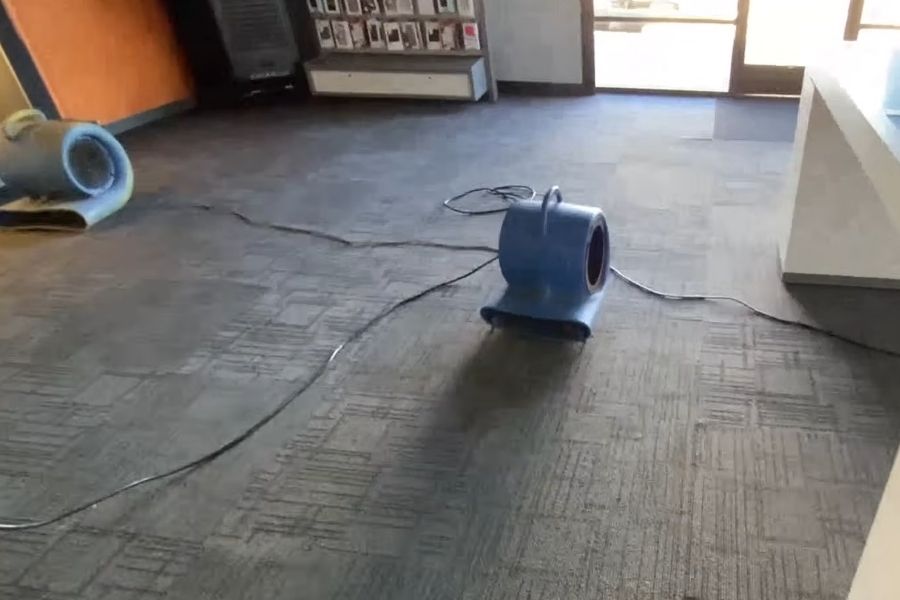
Here’s something our team sees constantly when we arrive on scene: fans running. Box fans, HVAC systems left on, air movers pointed at wet carpet.
Stop. Do not run fans after a sewage loss.
Running fans in a Category 3 environment spreads contaminated particles through the air and into areas that were previously clean. What could have been a contained cleanup in one section of your building turns into a cross-contamination problem across the entire floor. The video below shows this exact scenario at a Newport Beach retail location where our crew arrived to find fans already going on a sewage-flooded showroom.
Watch how our crew assessed and managed a live commercial sewage flood at a Newport Beach retail store.
Understanding the Scope of Damage
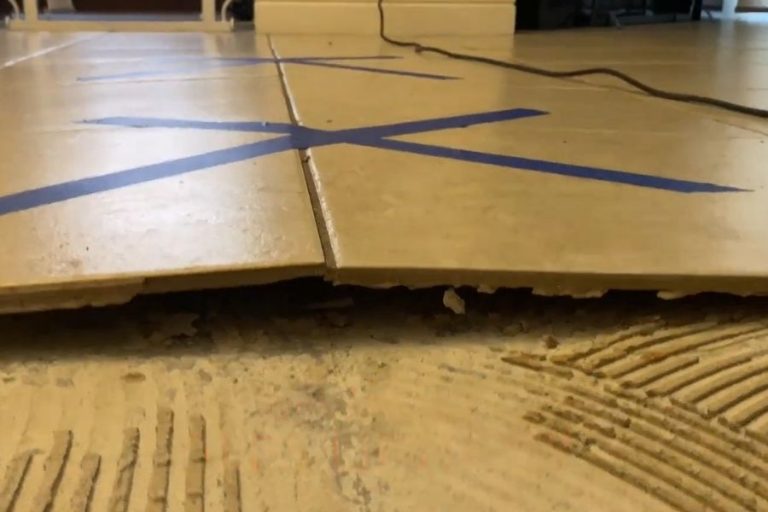
Sewage water doesn’t stay where it started. In a retail or office environment, it travels through showroom carpet, up drywall, under VCT flooring, and all the way to back-of-house areas like break rooms and storage spaces.
The visible wet area is rarely the full picture. That’s why thorough moisture mapping matters more than a quick visual check.
What Commonly Gets Affected
- Carpet and padding: Category 3 water makes carpet unsalvageable. It has to be removed.
- VCT and hard flooring: Water travels underneath tile and into the subfloor, even when the surface looks dry.
- Drywall and baseboards: Moisture wicks upward fast. Walls that look fine at eye level can be saturated at the base.
- Contents and inventory: Cardboard, fabric, and porous materials absorb contaminated water quickly. Items need individual assessment, and unsalvageable ones have to go.
- Heavy fixtures: Safes, shelving, and equipment trap water behind or beneath them and have to be moved before the full extent of damage can be mapped.
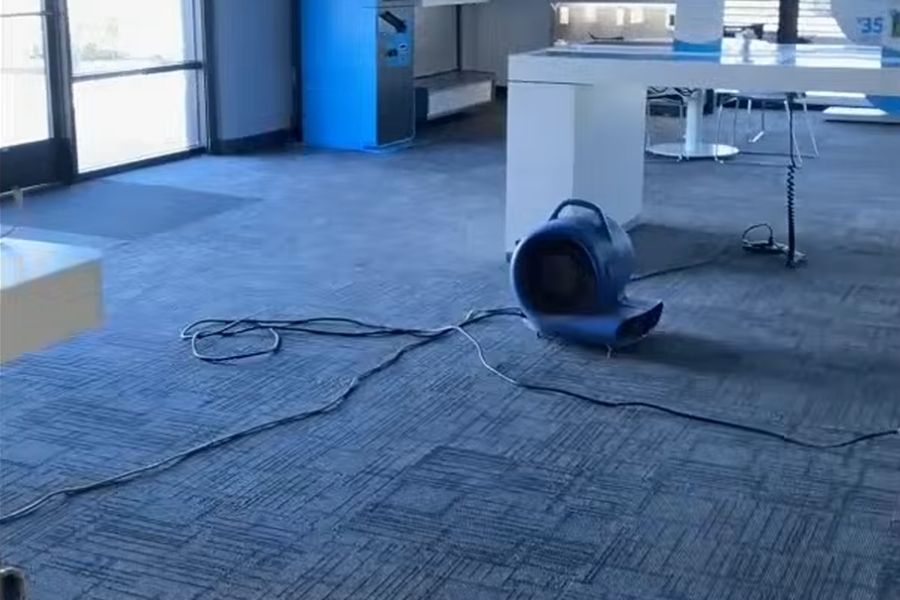
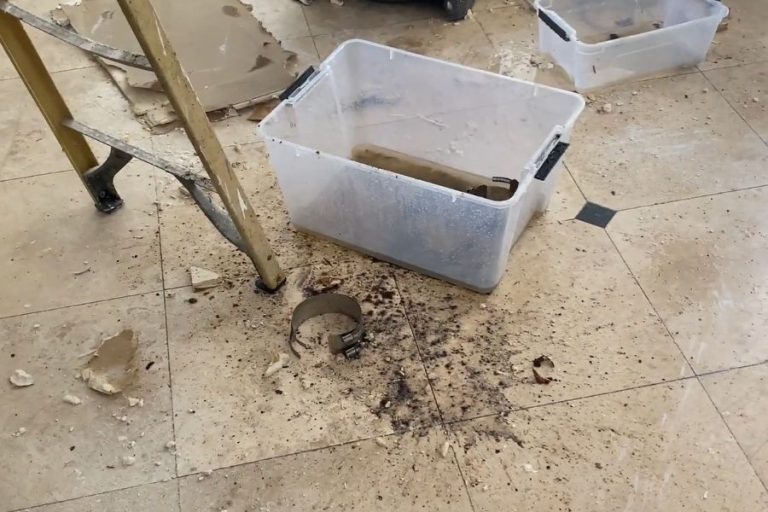
Systematic removal and sanitization during commercial sewage remediation protects the structure and the people inside it.
Why Asbestos Testing Has to Happen First
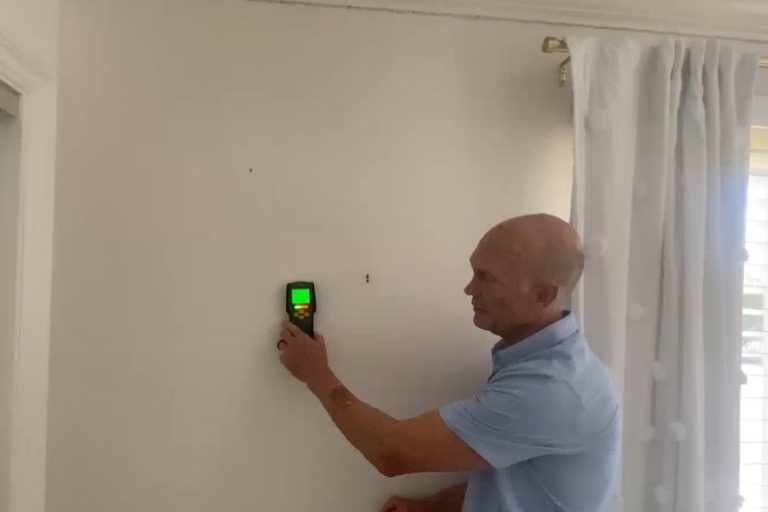
This step catches a lot of business owners off guard. Before any demolition can start, California law requires an asbestos test on commercial properties of a certain age. Older buildings across Orange County commonly have asbestos in floor tiles, drywall compound, and insulation.
You can’t demo those materials without clearance. Skipping the test isn’t just risky, it’s a legal liability that can halt your project entirely and result in significant fines. Our team coordinates licensed asbestos testing and removal through qualified third-party partners so this step moves as fast as legally possible.
Can You Stay Open During Cleanup?
Usually, yes, at least partially. Our crew sets up containment barriers and a decontamination chamber between the affected zone and clean areas. This lets customers or staff access certain parts of the building while remediation is active elsewhere.
What we can’t do is rush the remediation itself. Cutting corners to get the doors open faster is how businesses end up with mold remediation problems months later, when no one can figure out why the building smells.
Worth Knowing:
Mold can begin growing within 24 to 48 hours after water exposure. In a sewage loss, that timeline is even tighter because sewage water carries organic material that accelerates mold colonization. Speed matters, but so does doing it right.
Documentation and Your Insurance Claim
A commercial sewage loss is almost always an insurance event. Call your insurer the moment you discover it and document everything before anything is moved.
Our team provides detailed moisture mapping, photo documentation, and written scope reports that give your adjuster exactly what they need. A qualified commercial restoration company should be a partner in your claim, not just a contractor called after the paperwork is filed.
If you’ve experienced a sewer or drain backup in any part of the property before, mention that history to your adjuster as well. It can affect coverage and documentation requirements.
For businesses in the area, our Newport Beach water damage restoration page has location-specific details on how we respond locally. And if you want to see how fast cross-contamination can escalate, the Newport Beach cross-contamination case study is a useful read.
We Work with Your Insurance
With over 38 years of combined expertise, our IICRC-certified team documents everything your adjuster needs and gets your business back on its feet without the runaround.
Frequently Asked Questions
Can a business stay open during commercial sewage cleanup?
In most cases, a business cannot remain fully open during active sewage remediation. Category 3 water is a serious biohazard, and public safety requires controlled access. A professional restoration crew can establish containment zones so partial operations continue, but the affected areas must be off-limits until cleared as safe.
Why is it dangerous to run fans after a sewage flood?
Running fans after a sewage flood spreads airborne pathogens and contaminated particles throughout the building. Category 3 water contains bacteria, viruses, and other harmful microorganisms. Circulating that air cross-contaminates clean areas and creates a much larger remediation problem. Fans should only be used after all biohazardous material has been removed and the space has been properly treated.
Does commercial insurance cover sewage backup damage?
Many commercial property policies include sewage backup coverage, but the specifics vary by policy and provider. Some require a separate sewage backup rider. A professional restoration company can document damage thoroughly to support your claim. Always contact your insurer as soon as the loss occurs and before any work begins.
How quickly can mold develop after a commercial sewage flood?
Mold can begin growing within 24 to 48 hours of water exposure. In a commercial sewage loss, the risk is even higher because the water carries organic material that feeds mold growth. Areas behind walls, under flooring, and beneath heavy equipment are especially vulnerable. Fast, professional drying and treatment are critical to preventing secondary mold damage.