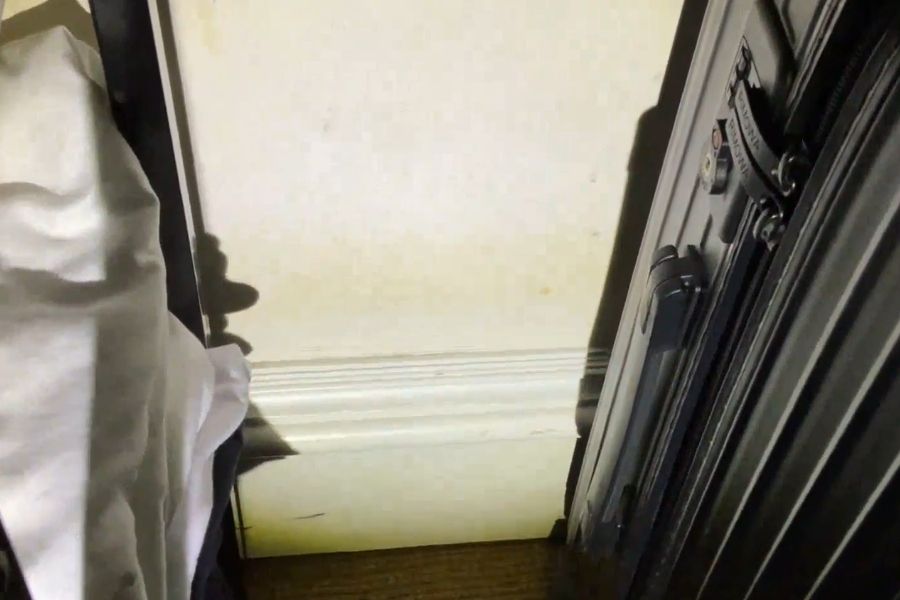
If you’ve ever opened a closet and spotted brownish stains creeping along the wall, your first reaction was probably something close to panic. Fair enough. But not every mold spot signals a crisis. Professional mold remediation starts with understanding what you’re actually dealing with, and in Newport Beach, surface mold caused by humidity is one of the most common issues our team at Orange County Restoration Services encounters. Let’s break down how to tell surface mold apart from the serious stuff, when to worry, and when to take a breath.
What Is Surface Mold, Exactly?
Surface mold grows on the outer layer of materials like drywall, wood, or painted surfaces without penetrating deeper into the structure. It feeds on dust, dirt, and moisture that collects in areas with poor airflow. Think closets, corners behind furniture, bathrooms without exhaust fans.
You’ll usually spot it as fuzzy patches or discolored stains, sometimes brown, sometimes green or black. It looks alarming, but surface mold is typically sitting on top of the material rather than eating through it. That distinction matters a lot when you’re deciding how to respond.
See how surface mold from humidity shows up in a coastal home closet.
Why Are Newport Beach Homes So Prone to Surface Mold?
Newport Beach sits right on the coast, and that ocean proximity creates a near-constant supply of moisture in the air. Relative humidity regularly hovers between 60% and 80%, especially during morning and evening hours. That’s basically a welcome mat for mold spores.
Older homes in Corona del Mar, Balboa Island, and Lido Island face extra challenges. Many were built before modern ventilation standards, so closets, laundry rooms, and interior hallways don’t get adequate airflow. Pair that with mild temperatures that never get cold enough to kill mold, and you’ve got ideal growing conditions. We see it constantly in Newport Beach homes, from beachfront properties to homes several blocks inland.
Not Sure If It’s Surface Mold or Something Worse?
Our IICRC-certified team can assess your situation and give you a straight answer.
Surface Mold vs. Serious Mold: How to Tell the Difference
Surface mold stays on top of materials and cleans off relatively easily. Serious mold penetrates into walls, framing, and subfloor materials. Here’s a practical comparison.
| Factor | Surface Mold | Serious Mold Problem |
|---|---|---|
| Appearance | Discolored patches, brown stains, light fuzz | Thick dark growth, warping or bubbling walls |
| Location | Closets, bathroom corners, behind furniture | Inside walls, under flooring, around plumbing |
| Cause | High humidity, poor ventilation | Active water intrusion, leaks, flooding |
| Smell | Mild musty odor in enclosed spaces | Strong persistent smell even in open areas |
| Cleanup | Wipes off with cleaning solution | Requires professional remediation |
Quick test: try wiping the area with a damp cloth and detergent. If the mold comes off easily and the material underneath looks intact, you’re likely dealing with surface mold. If the material is soft, crumbling, or discolored underneath, that points to something deeper.
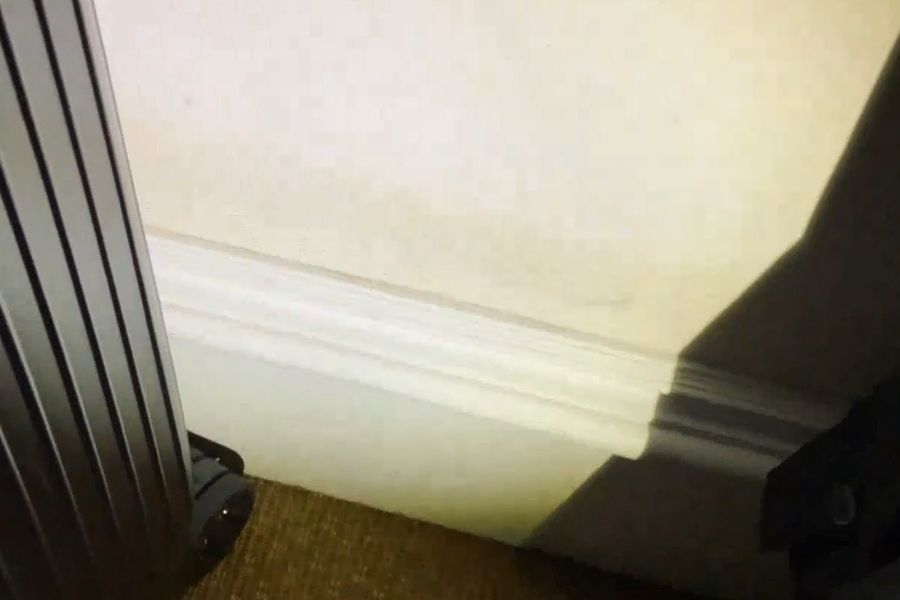
Brown stains on closet walls are often surface mold from trapped humidity, not structural damage.
What to Do When You Find Mold in Your Home
For Small Surface Mold Spots
A minor patch on a hard surface? You can handle it. Clean with water and detergent, then dry thoroughly. The step most people skip: fixing the humidity problem that caused the mold. Without addressing airflow, you’ll be cleaning the same spot again in a few weeks.
When It’s Time to Call Professionals
When mold keeps returning, covers more than about 10 square feet, or shows up in multiple rooms, that’s your signal. Recurring mold usually means there’s a moisture source you can’t see, like a slow leak behind a wall or condensation in your crawl space. According to the EPA’s mold guidelines, large mold problems and anything involving contaminated water should be handled by experienced professionals.
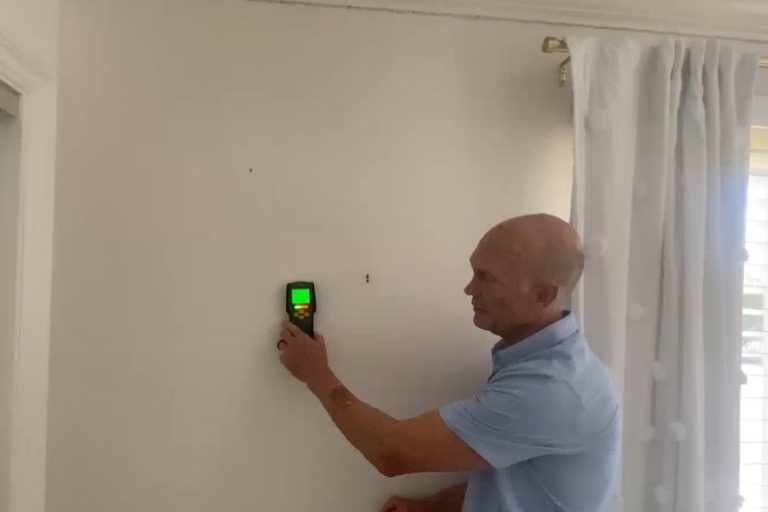
If you’ve already dealt with hidden water damage in your Newport Beach home, mold inspection should be part of your follow-up. Our team uses moisture detection equipment to find hidden water sources, so the problem actually gets solved. Orange County Restoration Services offers mold inspection and testing to determine exactly what you’re dealing with.
5 Warning Signs Your Mold Is More Than Surface-Level
- Mold returns within days or weeks after cleaning
- A persistent musty smell lingers even after cleaning visible mold
- Walls or flooring feel soft, spongy, or warped near the mold
- Mold appears in multiple, unconnected areas of your home
- Family members have new or worsening allergy symptoms or headaches
Mold Prevention Checklist for Coastal Homeowners
You can’t change the ocean air. But you can control how it affects your indoor environment.
- Keep indoor humidity below 60%. A hygrometer (under $15 at any hardware store) lets you monitor levels. Run a dehumidifier if you’re consistently above that mark.
- Improve closet ventilation. Leave doors open when possible, or install louvered doors. Avoid packing closets so tightly that air can’t circulate.
- Run exhaust fans during and for 20 minutes after showers or cooking.
- Check for slow leaks regularly. Look under sinks, around water heaters, and behind appliances. A small leak becomes a serious water damage problem fast.
- Leave space between furniture and exterior walls. A few inches of airflow makes a real difference, especially on ocean-facing walls.
- Address water damage immediately. Mold can begin colonizing damp materials within 24 to 48 hours.
Surface mold doesn’t have to be an ongoing battle. With some awareness and a few good habits, most Newport Beach homeowners can keep it under control. When something looks more serious, or you just want peace of mind, reach out to our team at Orange County Restoration Services for a professional assessment.
Frequently Asked Questions
Can surface mold in my closet make me sick?
Surface mold can trigger allergic reactions and respiratory irritation, especially in people with asthma or mold sensitivities. A small patch poses less risk than widespread growth, but it’s still worth cleaning up quickly and improving ventilation to reduce spore levels.
How do I know if mold needs professional remediation or just cleaning?
If it covers less than about 10 square feet, sits on a hard surface, and wipes off easily, you can likely handle it yourself. If it covers a larger area, keeps coming back, appears on porous materials like drywall, or comes with a strong musty odor, professional remediation is the safer choice.
Why does mold keep coming back in my Newport Beach home?
Recurring mold almost always means the underlying moisture problem hasn’t been fixed. In Newport Beach, the usual culprits are high coastal humidity combined with poor ventilation, slow plumbing leaks, or condensation in enclosed spaces. Cleaning removes the visible mold, but until the moisture source is addressed, spores will recolonize.
Does homeowners insurance cover mold remediation?
Most policies cover mold remediation when it results from a sudden, covered event like a burst pipe or appliance failure. Mold caused by long-term neglect or ongoing humidity problems is typically excluded. Check your specific policy for details on your coverage limits.